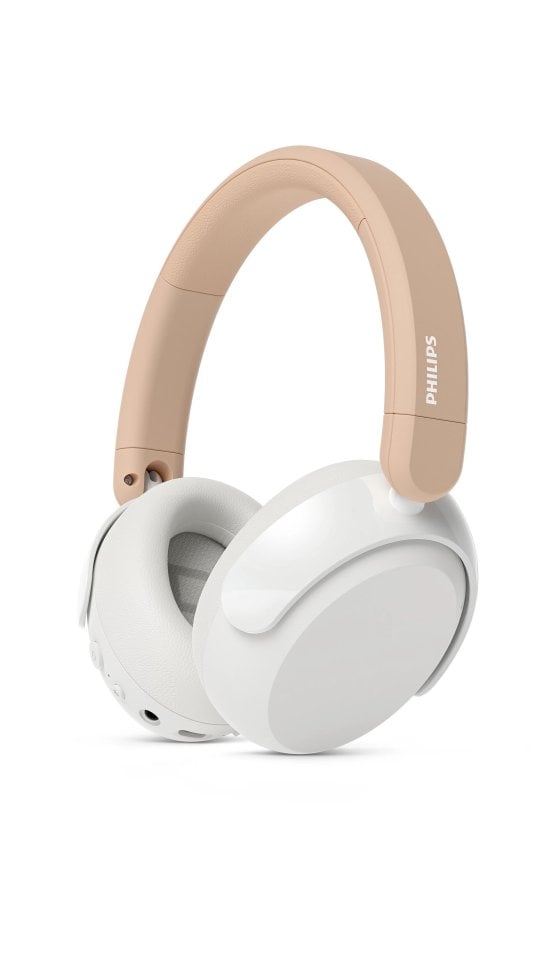
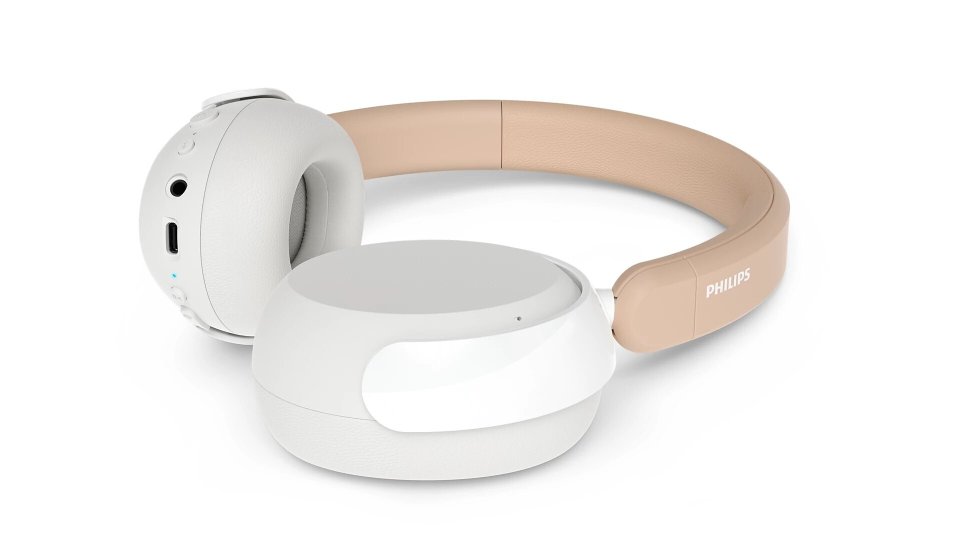
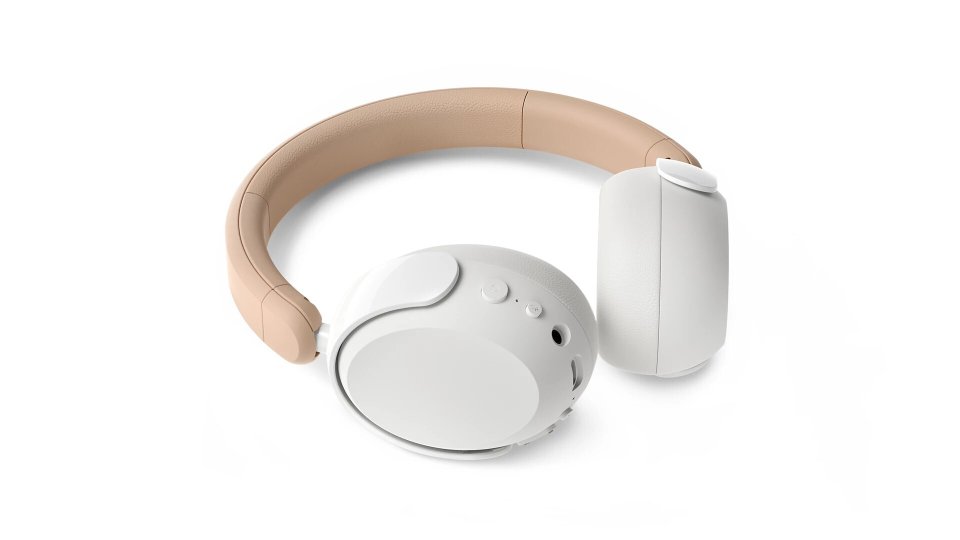
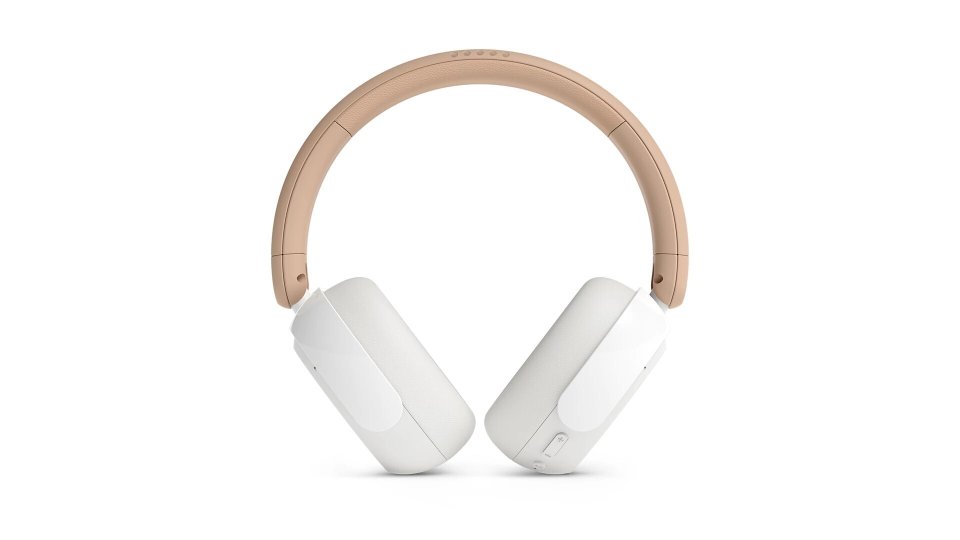
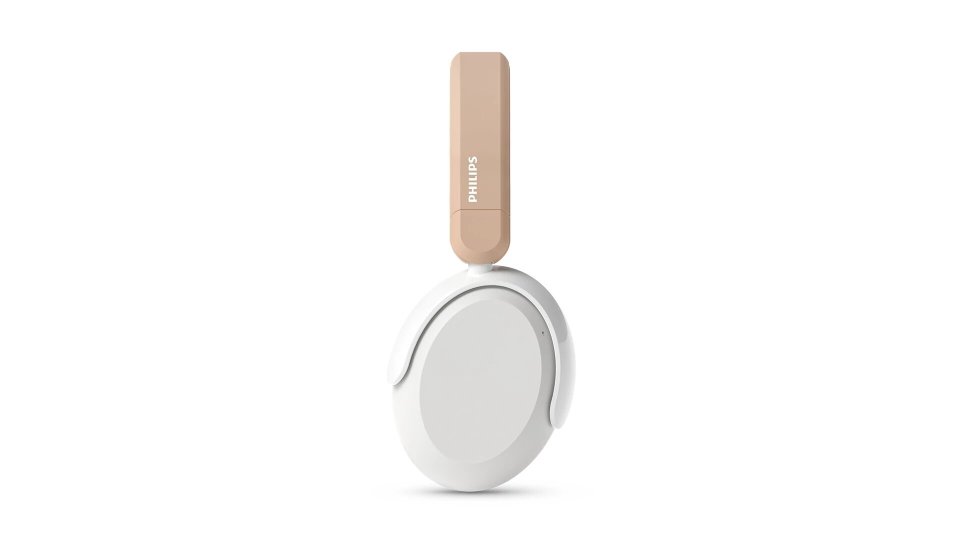
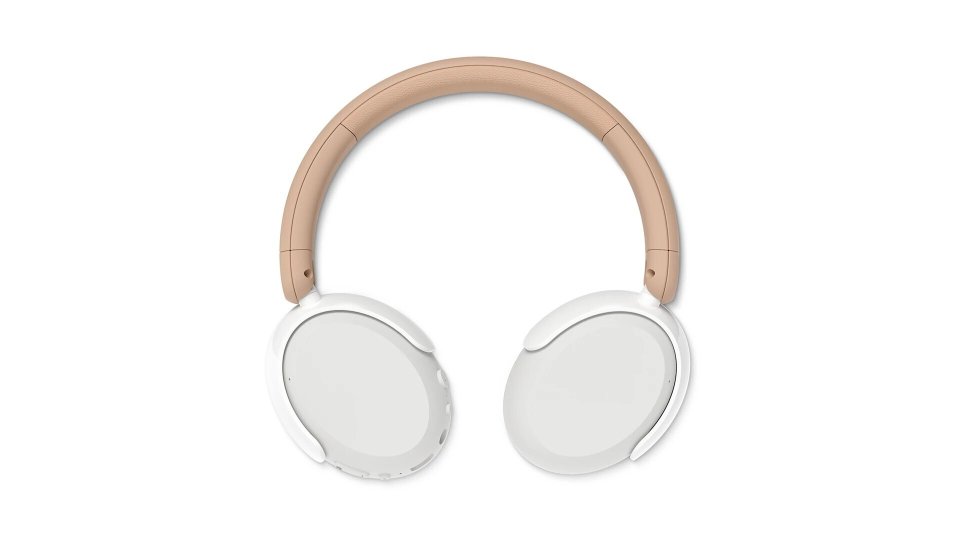
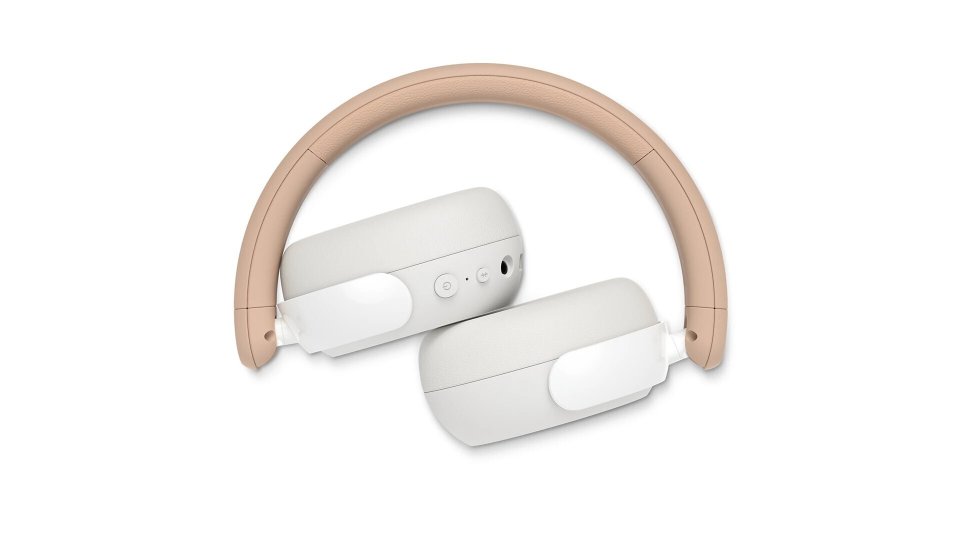
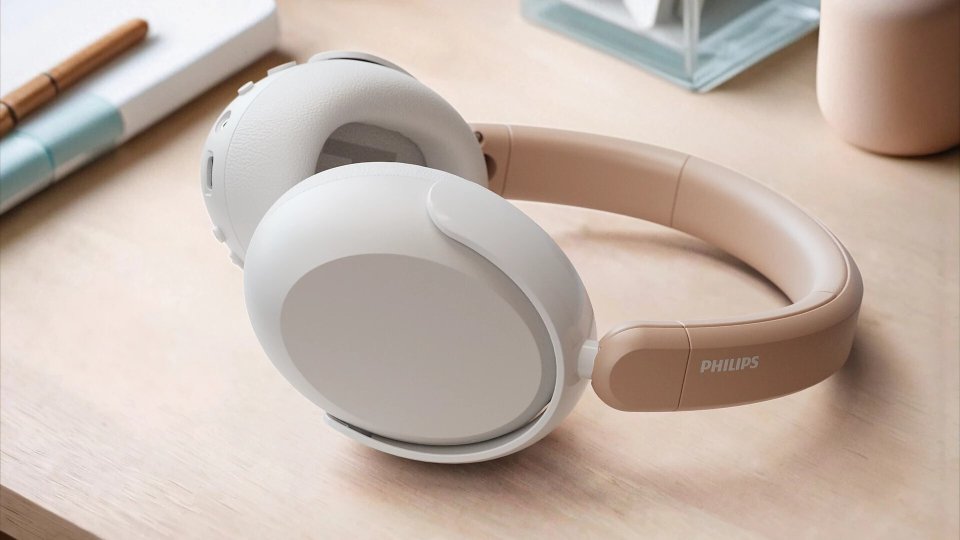
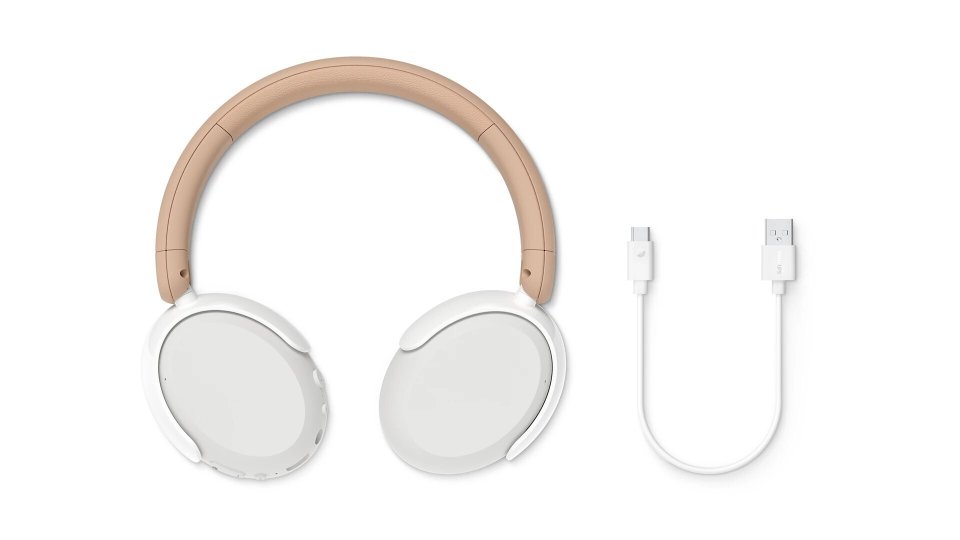
| Color | Beige |
|---|---|
| Color Description | Amber light |
| Country of Origin | China |
| PID | 1015406 |
| Product depth (mm) | 43 |
| Product height (mm) | 185 |
| Product weight (g) | 192 |
| Product width (mm) | 181 |
| Frequency response (Hz) | 20 – 20000 |
| Headphones' sensitivity (dB) | 115 |
| Bluetooth | Yes |
| Supported Bluetooth Profiles | A2DP, AVRCP, HFP |
| Bluetooth version | 5.4 |
| Wireless | Wired & Wireless |
| Headphone Connection Type | 3.5 mm |
| USB Connector Type | USB-C |
| Noise Cancelling Function | Yes |
| Impedance (Ohm) | 32 |
| Product Family | 5000 series |
| Headphone Driver Size (mm) | 4 |
| Acoustic Type | Closed |
| Headphone Type | Head-band |
| Headphone model | Circumaural |
| Charger included | Yes |
| Included cables | USB Type-C |
| Battery capacity (mAh) | 450 |
| Battery life up to (h) | 60 |
| Charging time (h) | 2 |
| Battery type | Integrated |
| Microphone Type | Built-in microphone |
| USB PD support | No |
| Manufacturer address | Prins Bernhardplein 200 1097 JB Amsterdam The Netherlands |
| Manufacturer's email address | |
| Manufacturer name | TP Vision Europe B.V. |
| Warnings | Lyssna inte på hög volym för att förhindra hörselskador. |
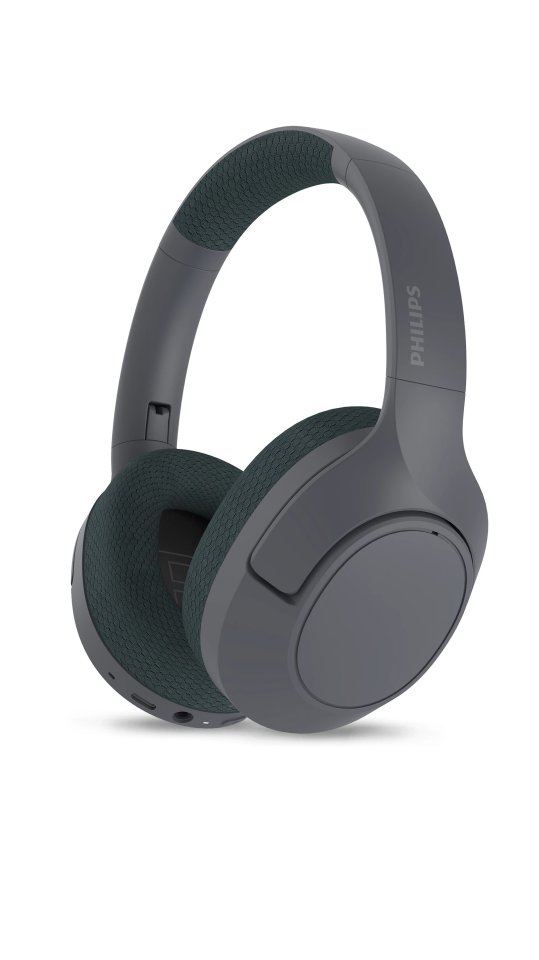
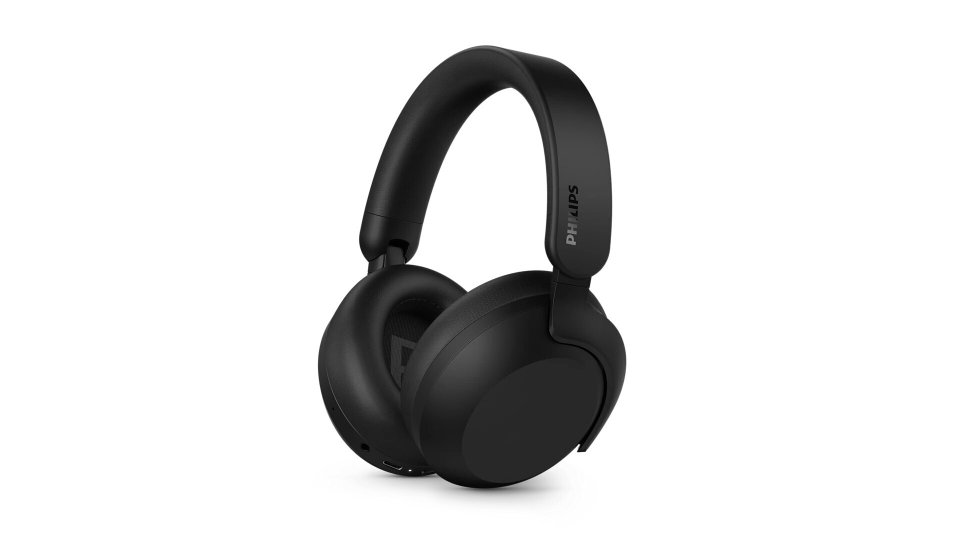
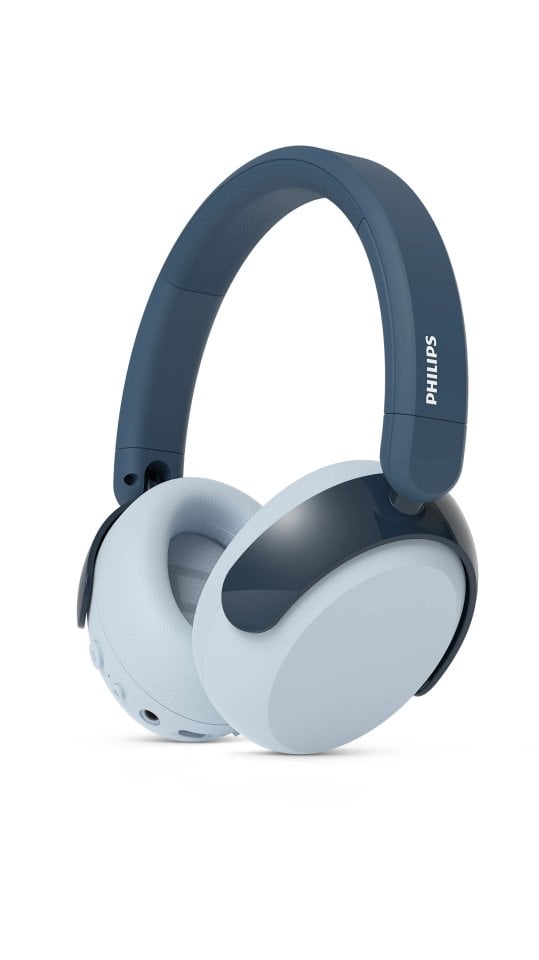
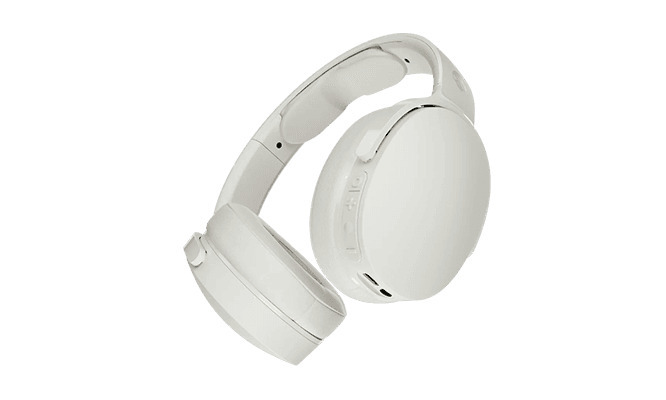
These headphones comfortably fit over the ears and passively reduce ambient noise. Their 75-decibel volume limit is suitable for listening in quiet environments. For noisy surroundings, noise cancellation can be activated via the headphones or the Philips Headphones app, where parents can also set a travel mode with an 85-decibel limit.
Adaptive noise cancellation automatically adjusts to the environment, allowing children to focus quietly—or listen in noisy places without needing to increase the volume. The ear cups have buttons to activate ambient sound mode so children can hear what’s happening around them. This mode amplifies human voices so they can hear you without removing the headphones.
If your child’s friends also have Philips K5500 headphones, they can wirelessly chain the headphones to listen to the same audio. One pair connects to the smart device they want to listen to, and then both friends press the multifunction button to enter audio sharing mode. Thanks to multipoint connectivity, they can connect to multiple devices simultaneously.
You get up to 60 hours of playback time (34 hours with noise cancellation on) on a full charge, and a 15-minute quick charge provides 10 hours of listening. A 3.5 mm audio jack is available for wired listening. The built-in microphone allows children to answer calls from family and friends. A separate microphone picks up the child’s voice, while a noise-cancelling algorithm reduces some of the background noise.
10 в наличии

These headphones comfortably fit over the ears and passively reduce ambient noise. Their 75-decibel volume limit is suitable for listening in quiet environments. For noisy surroundings, noise cancellation can be activated via the headphones or the Philips Headphones app, where parents can also set a travel mode with an 85-decibel limit.
Adaptive noise cancellation automatically adjusts to the environment, allowing children to focus quietly—or listen in noisy places without needing to increase the volume. The ear cups have buttons to activate ambient sound mode so children can hear what’s happening around them. This mode amplifies human voices so they can hear you without removing the headphones.
If your child’s friends also have Philips K5500 headphones, they can wirelessly chain the headphones to listen to the same audio. One pair connects to the smart device they want to listen to, and then both friends press the multifunction button to enter audio sharing mode. Thanks to multipoint connectivity, they can connect to multiple devices simultaneously.
You get up to 60 hours of playback time (34 hours with noise cancellation on) on a full charge, and a 15-minute quick charge provides 10 hours of listening. A 3.5 mm audio jack is available for wired listening. The built-in microphone allows children to answer calls from family and friends. A separate microphone picks up the child’s voice, while a noise-cancelling algorithm reduces some of the background noise.